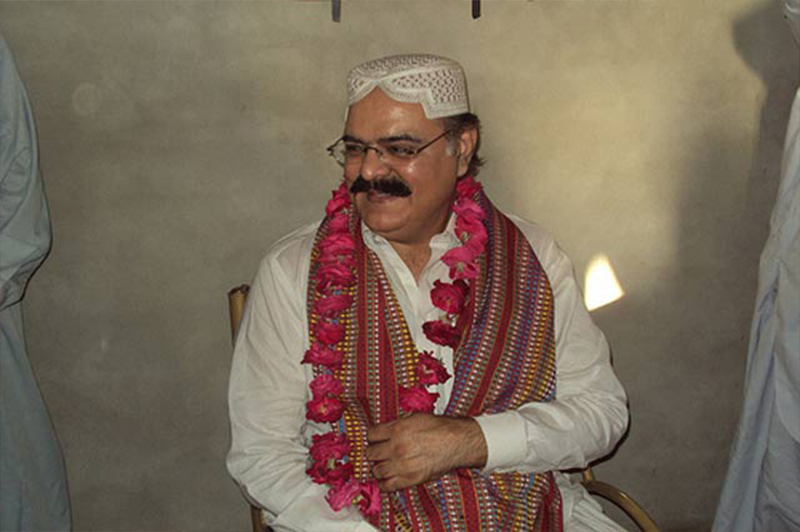
Building a Brighter Future: Education, Economic Opportunity, and Healthcare for All - Sarwari Jamaat
Our party is dedicated to promoting the values of compassion, equality, and respect for all individuals. We strive to build a society where every person is treated with dignity and has the opportunity to thrive, regardless of their background or circumstances.

We believe in the transformative power of education. Our mission is to ensure that every child has access to high-quality education, empowering them to reach their full potential. We advocate for policies that support innovative teaching methods, well-equipped schools, and equal opportunities for lifelong learning.

Access to quality health care is a fundamental human right. We are committed to creating a robust health care system that is accessible, affordable, and comprehensive. Our goal is to ensure that everyone receives the care they need to lead healthy and fulfilling lives.
The Pakistan People's Party (PPP) was founded in Lahore in 1967 under the leadership of Zulfikar Ali Bhutto, amidst opposition to President Ayub Khan's regime. It aimed to establish an egalitarian democracy and apply socialist principles for economic and social justice. The party's manifesto emphasized socialism, nationalization, and reducing economic inequality. Notably, it received initial support from the Makhdoom family and was formally launched at a convention in Hala.
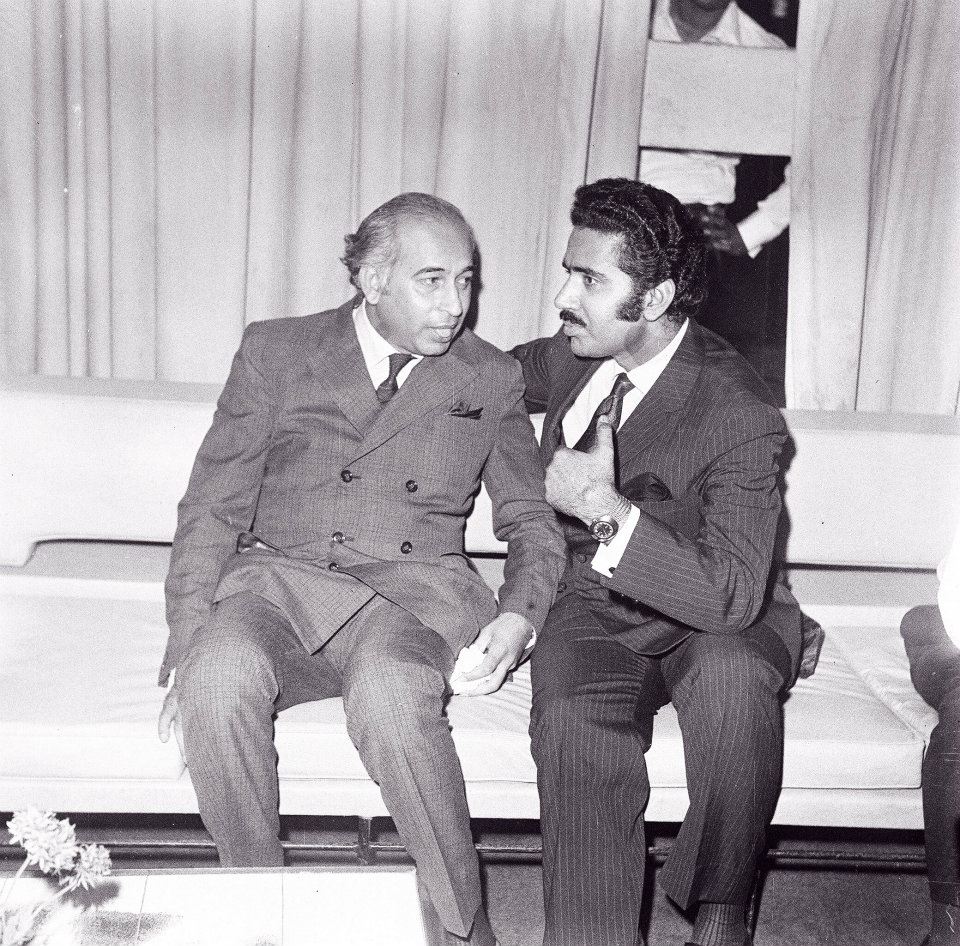
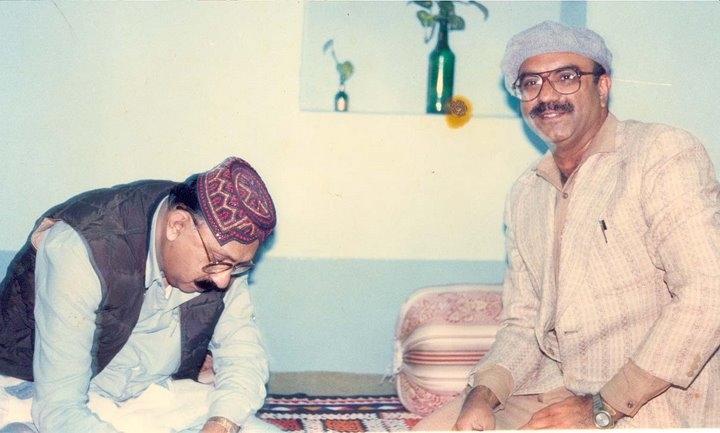
An old photograph shows Makhdoom Amin Fahim and Zulfikar Ali Bhutto, marking the PPP's early days and their pivotal alliance.
Detail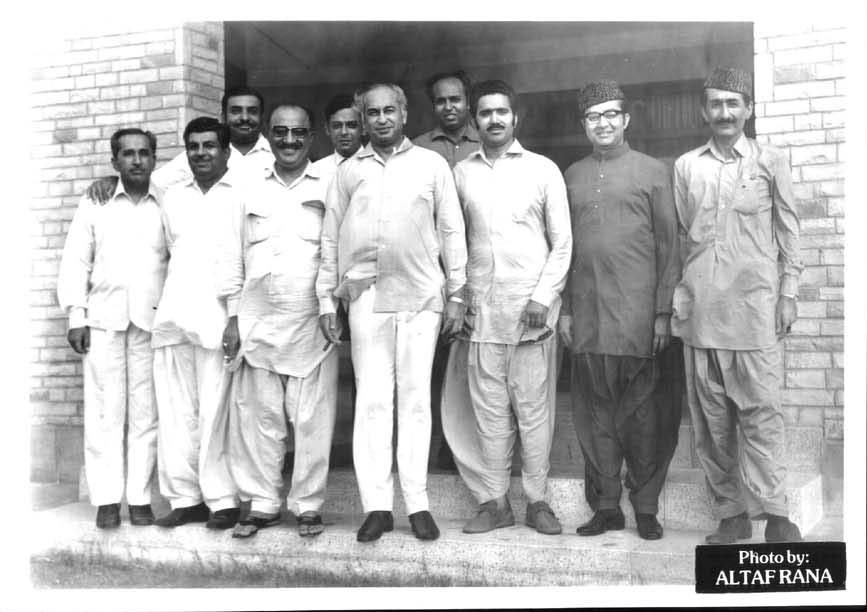
An old photograph shows Zulfikar Ali Bhutto visiting the Makhdoom family in Hala, highlighting their pivotal alliance in the PPP's early days.
Detail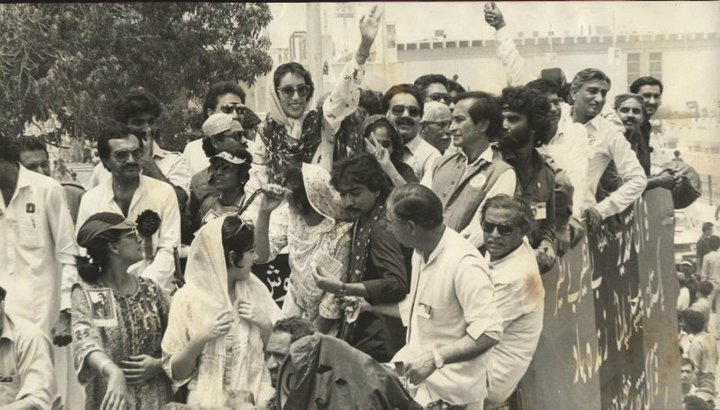
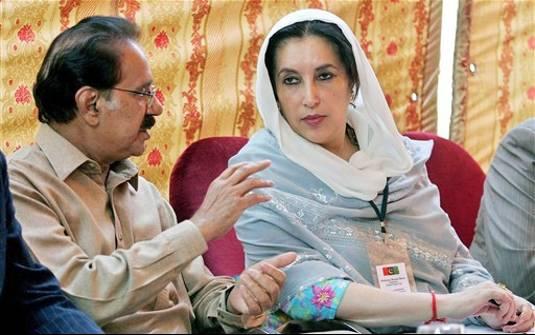
An old photograph shows Shaheed Benazir Bhutto visiting the Makhdoom family in Hala, highlighting their pivotal alliance in the PPP's legacy.
DetailIn the rich tapestry of Pakistan's political and social history, the Makhdoom family stands as a beacon of humanity and compassion. Their legacy, deeply woven into the fabric of the Pakistan People's Party (PPP), reflects an unwavering commitment to the principles of justice, equality, and the well-being of all citizens.
The Makhdoom family, hailing from Hala, Sindh, has long been revered for its dedication to the welfare of the people. This dedication is not just a political stance but a way of life, rooted in the family’s spiritual and social traditions. From the earliest days, the family has been known for its philanthropic efforts, providing food, education, and healthcare to those in need. Their actions have always spoken louder than words, creating a lasting impact on the lives they touch.
The Makhdoom family's political journey has always been marked by their motto: "Service to humanity is the best work of life." This guiding principle has seen them advocate for the marginalized, fight for social justice, and work tirelessly to uplift the downtrodden. Their legacy is not just one of political leadership but of compassionate governance, where every action is measured by its impact on the people.
An iconic photograph captures Zulfikar Ali Bhutto visiting the Makhdoom family in Hala, a moment that symbolizes the deep bond and shared vision between the PPP's founder and one of its most steadfast supporters. Similarly, an image of Shaheed Benazir Bhutto in Hala reflects the enduring alliance and mutual respect that has been a hallmark of the PPP's journey. These moments are testaments to the Makhdoom family's influence and their unwavering commitment to the principles of humanity.
Today, the Makhdoom family continues to uphold their legacy of humanity within the PPP. They remain vocal advocates for policies that promote social welfare, education, and healthcare, ensuring that the party stays true to its roots. Their work inspires new generations of leaders to place humanity at the heart of politics, reminding us all that true leadership is measured by the ability to uplift and empower the most vulnerable.
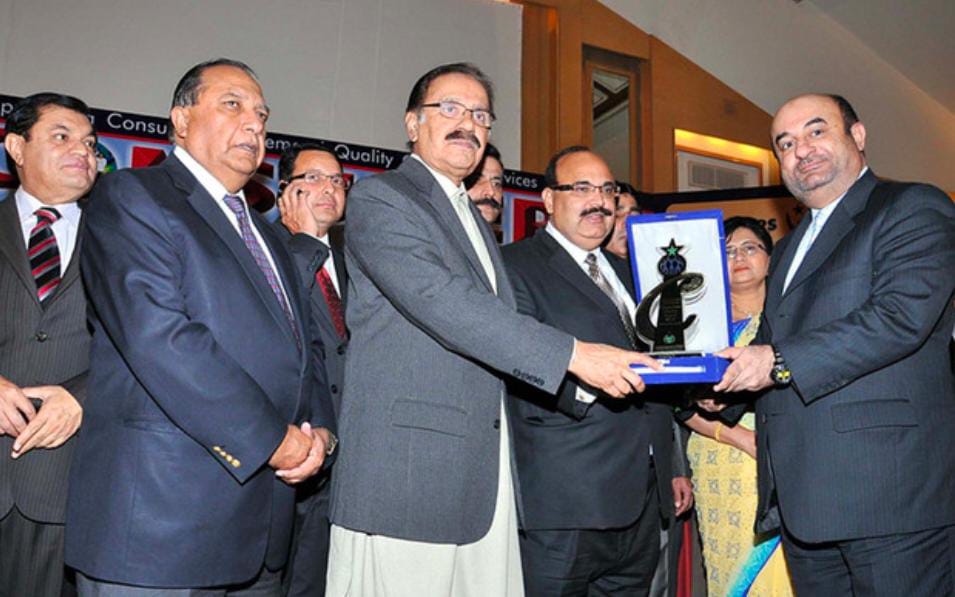
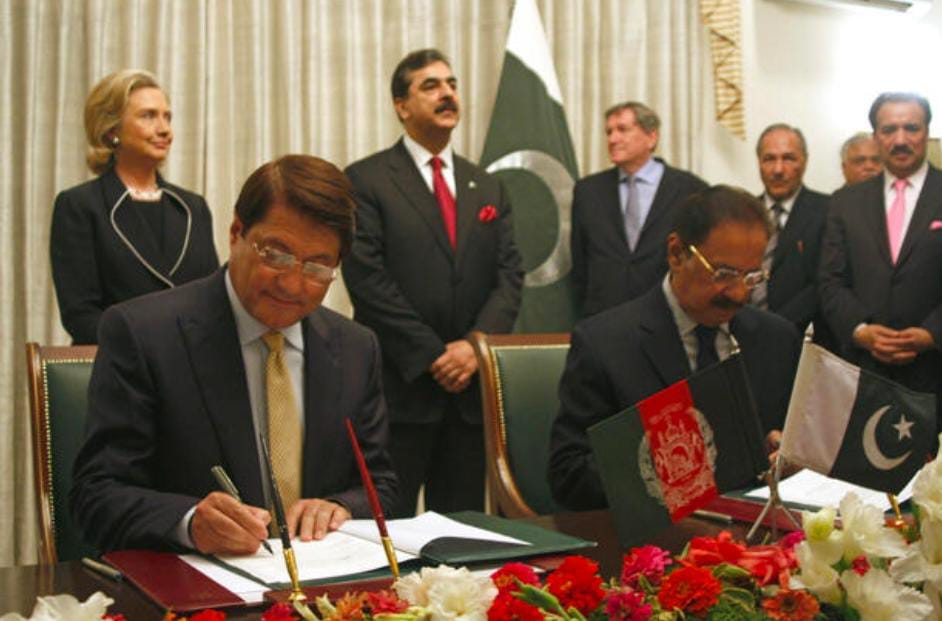
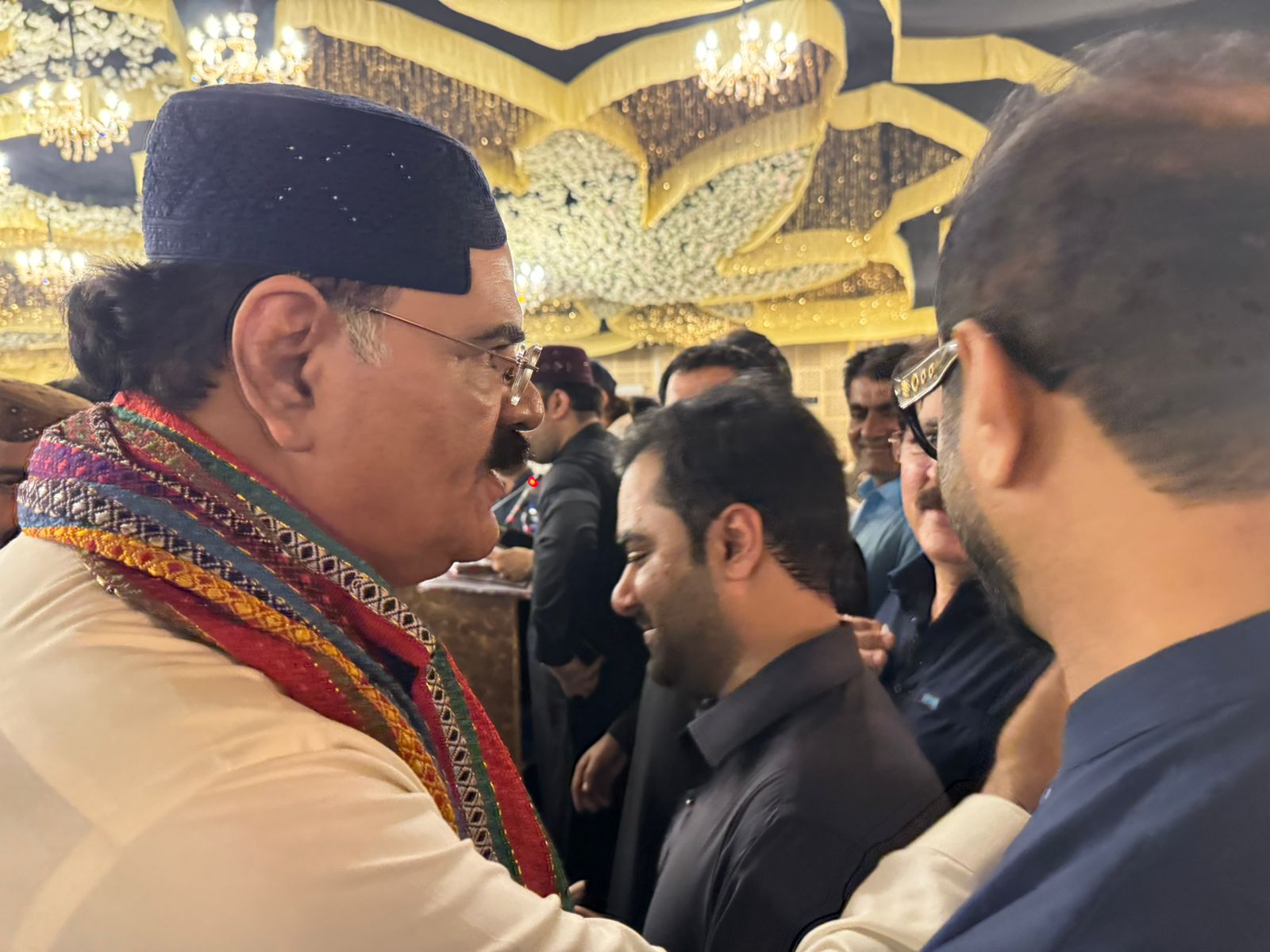
Details of Family Timeline
Early 20th Century: Establishment of Family Legacy
1900s: Makhdoom Amin Fahim's grandfather, Makhdoom Sarwar Nooh, emerges as a respected spiritual and community leader in Hala, Sindh.
1920s: Makhdoom Talibul Maula, father of Makhdoom Amin Fahim, becomes an influential figure in Sindh, known for his contributions to poetry, literature, and politics.
Mid-20th Century: Political and Social Contributions
1940s: Makhdoom Talibul Maula plays a pivotal role in the Pakistan Movement, advocating for the creation of Pakistan.
1940s: Makhdoom Talibul Maula plays a pivotal role in the Pakistan Movement, advocating for the creation of Pakistan.
1947: The family witnesses the birth of Pakistan, with Makhdoom Talibul Maula contributing to the political landscape of the newly formed nation.
1950s-1960s: Makhdoom Talibul Maula serves in various political capacities, including membership in the Sindh Assembly and the National Assembly of Pakistan.
1970s: Rise of Makhdoom Amin Fahim
1970: Makhdoom Amin Fahim joins the Pakistan Peoples Party (PPP), marking the beginning of his political career.
1977: Makhdoom Amin Fahim is elected as a Member of the National Assembly (MNA) for the first time.
1979: The family faces political challenges during General Zia-ul-Haq's martial law regime, but remains steadfast in their commitment to democracy.
1980s-1990s: Political Struggles and Achievements
1980s: Makhdoom Amin Fahim actively participates in the Movement for the Restoration of Democracy (MRD), opposing Zia's dictatorship.
1988: After the restoration of democracy, Makhdoom Amin Fahim becomes a key figure in Benazir Bhutto's government, serving as a senior party leader and minister.
1990s: He continues to play a significant role in PPP, contributing to various policy reforms and political strategies.
2000s: Leadership and Legacy
2002: Makhdoom Amin Fahim is appointed Senior Vice Chairman of PPP, solidifying his position as a top leader within the party.
2008: Following the assassination of Benazir Bhutto, he helps lead the party through a period of transition and is instrumental in the formation of the PPP government.
2013: He remains a key political figure, advocating for democracy and social justice until his passing in 2015.
ANECDOTES, STORIES, AND HISTORICAL CONTEXT
Spiritual Leadership and Community Service
The Makhdoom family has long been revered for their spiritual leadership, with generations serving as caretakers of the revered shrine in Hala. This spiritual role helped them gain the trust and respect of the local community.
Contributions to Literature and Culture
Makhdoom Talibul Maula was not only a political leader but also a renowned poet and writer. His works in Sindhi literature have left a lasting cultural impact, promoting the rich heritage of Sindh.
Political Resilience
During the oppressive regime of General Zia-ul-Haq, Makhdoom Amin Fahim and his family faced significant political repression. Despite the challenges, they remained committed to the principles of democracy and human rights, often at great personal risk.
Family Unity and Public Service
The unity and dedication of the Makhdoom family have been a source of strength in their political and social endeavors. Stories of their collective efforts to serve their community and nation are numerous, showcasing their commitment to public service.
Business Acumen
Apart from their political and spiritual roles, the Makhdoom family has also been successful in various business ventures. Makhdoom Amin Fahim's strategic vision and entrepreneurial spirit contributed to the growth of their business empire, providing economic opportunities to many in their region.
```Makhdoom Muhammad Zaman Talib-ul-Mola and Makhdoom Amin Faheem are revered figures in Sindhi poetry, each contributing profoundly to the cultural and literary landscape of Sindh. Makhdoom Muhammad Zaman Talib-ul-Mola, an esteemed Sufi poet, imbued his verses with spiritual depth and philosophical insights, reflecting the rich heritage and mystical traditions of Sindh. His poetry, known for its lyrical beauty and profound messages, continues to inspire generations. Makhdoom Amin Faheem, following in his ancestor's footsteps, blended his political acumen with poetic expression. His verses resonate with themes of love, peace, and patriotism, embodying the spirit of Sindhi culture. Together, their poetry not only enriches Sindhi literature but also serves as a testament to the enduring legacy of Sindhi intellectual and spiritual thought.
Feel free to contact us for any quries